The Connection Between Nutrition and Hair Health: What You Need to Know
When it comes to maintaining beautiful, healthy hair, most people think of shampoos, conditioners, and styling products. However, the foundation of good hair health starts from within, and the food you consume plays a pivotal role. In this blog post, we will explore the essential nutrients for hair health, the best ingredients to incorporate into your diet, the science behind them, and practical tips for achieving luscious locks through nutrition.
Understanding Hair Structure

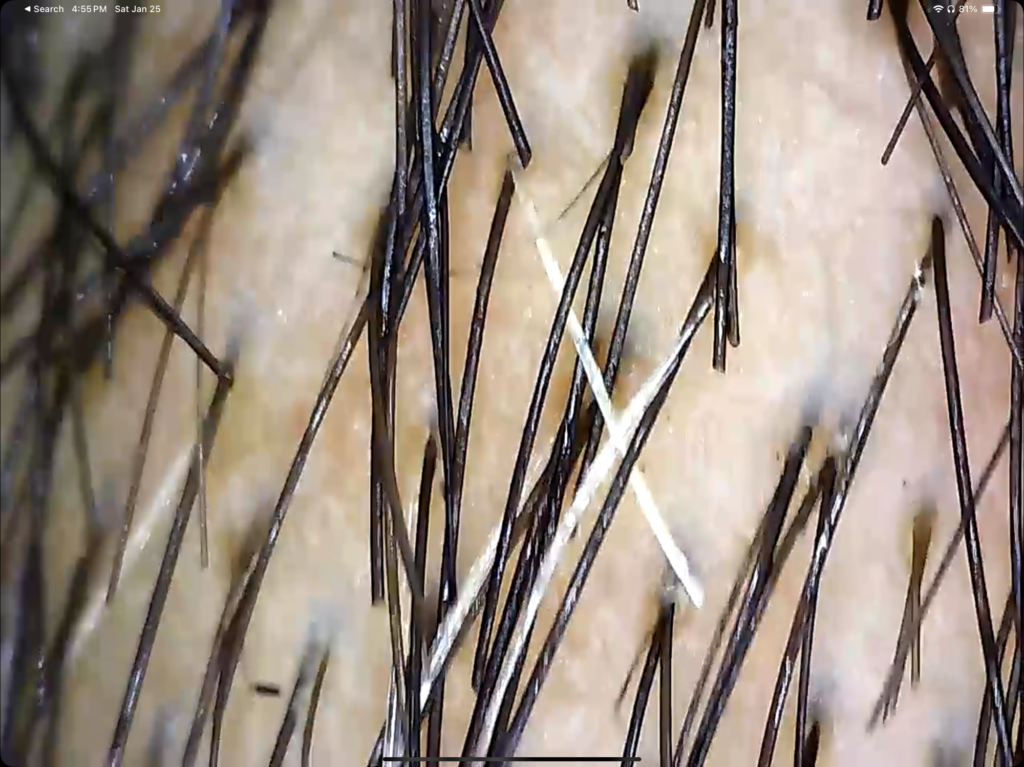
Before diving into nutrition, it’s important to understand the basic structure of hair. Hair is primarily made of a protein called keratin. It also contains water, lipids, pigments, and trace elements. The health of your hair is directly linked to the nutrients you consume, as these components feed the hair follicles and promote growth.
Key Nutrients for Hair Health
Protein
- Importance: Since hair is made up of keratin, a protein, adequate protein intake is crucial for hair growth and strength.
- Foods Rich in Protein: Chicken, turkey, fish, eggs, beans, lentils, nuts, and dairy products.
Iron
- Importance: Iron helps carry oxygen to your hair follicles. A deficiency can lead to hair loss.
- Foods Rich in Iron: Red meat, spinach, lentils, chickpeas, and fortified cereals. Pair iron-rich foods with vitamin C sources (like oranges and strawberries) to enhance absorption.
Vitamins A and C
- Importance: Vitamin A helps produce sebum, an oily substance that moisturizes the scalp. Vitamin C acts as an antioxidant and aids in collagen production, which is vital for hair structure.
- Foods Rich in Vitamins A and C: Carrots, sweet potatoes, spinach, kale, bell peppers, strawberries, and citrus fruits.
Omega-3 Fatty Acids
- Importance: Omega-3s nourish the hair and support scalp health, reducing inflammation and promoting hair growth.
- Foods Rich in Omega-3 Fatty Acids: Fatty fish (like salmon and mackerel), chia seeds, flaxseeds, and walnuts.
Biotin (Vitamin B7)
- Importance: Biotin supports the production of keratin and is essential for hair growth. A deficiency can lead to brittle hair and hair loss.
- Foods Rich in Biotin: Eggs, nuts, seeds, avocados, and sweet potatoes.
Zinc
- Importance: Zinc plays a crucial role in hair tissue growth and repair. It also helps maintain the oil glands around the hair follicles.
- Foods Rich in Zinc: Oysters, beef, pumpkin seeds, lentils, and spinach.
Vitamin D
- Importance: Vitamin D is linked to hair follicle cycling. Low levels of vitamin D may contribute to hair loss.
- Foods Rich in Vitamin D: Fatty fish, fortified milk, egg yolks, and mushrooms. Sunlight exposure also helps the body produce vitamin D naturally.
Folic Acid (Vitamin B9)
- Importance: Folic acid aids in the production of red blood cells, which carry oxygen to the hair follicles.
- Foods Rich in Folic Acid: Leafy greens, legumes, seeds, and fortified cereals.
Superfoods for Hair Health
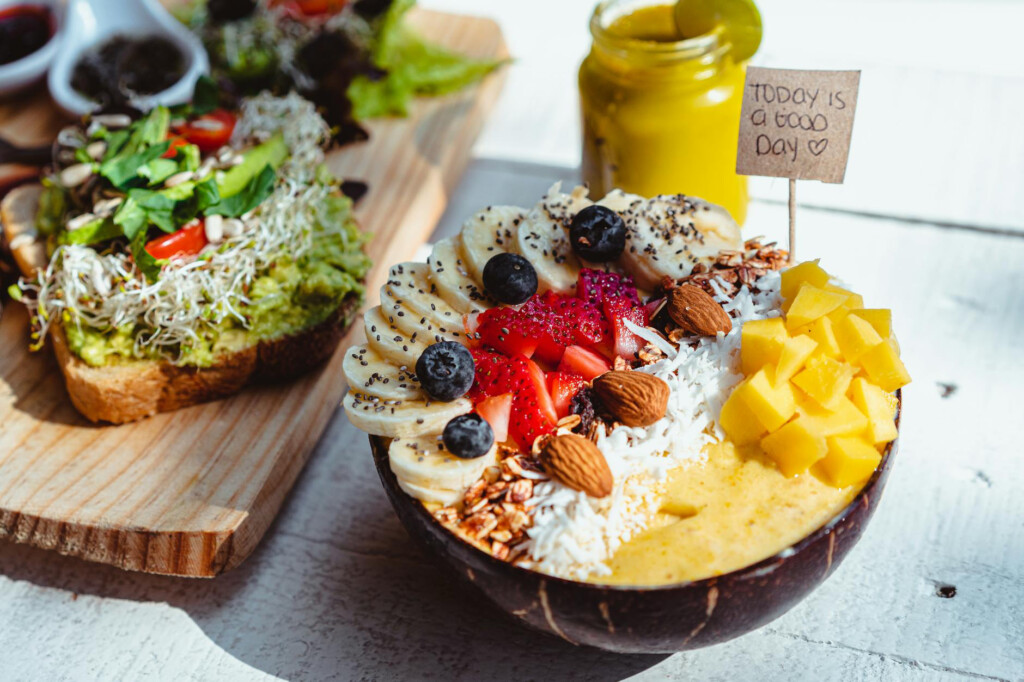
Incorporating specific superfoods into your diet can provide a concentrated source of the vitamins and minerals needed for optimal hair health.
1. Spinach
Rich in iron, folate, and vitamins A and C, spinach can help keep your hair strong, shiny, and hydrated.
2. Salmon
Loaded with omega-3 fatty acids and protein, salmon supports scalp health and encourages hair growth.
3. Eggs
A powerhouse of protein and biotin, eggs can help strengthen hair and promote healthy growth.
4. Nuts and Seeds
Almonds, walnuts, and flaxseeds are rich in vitamin E, omega-3 fatty acids, and zinc, making them excellent for nourishing your hair.
5. Sweet Potatoes
A great source of beta-carotene, which the body converts into vitamin A, sweet potatoes help promote a healthy scalp.
6. Greek Yogurt
Packed with protein and vitamin B5 (pantothenic acid), Greek yogurt can help keep your hair follicles healthy.
7. Berries
Blueberries and strawberries are rich in antioxidants and vitamin C, which help protect hair follicles and promote collagen production.
Practical Tips for Hair-Healthy Nutrition
- Balanced Diet: Aim for a well-rounded diet that includes a variety of foods from all food groups. Focus on whole foods—fruits, vegetables, lean proteins, whole grains, and healthy fats.
- Stay Hydrated: Drink plenty of water to keep your hair and scalp hydrated. Dehydration can lead to dry, brittle hair.
- Limit Processed Foods: Reduce your intake of processed foods high in sugar and unhealthy fats, which can negatively impact overall health, including hair health.
- Consider Supplements: If you’re struggling to get enough nutrients from food, consider taking a multivitamin or specific supplements for hair health, such as biotin or omega-3 fatty acids. Always consult with a healthcare professional before starting any supplements.
- Healthy Cooking Methods: Opt for cooking methods that preserve nutrients, such as steaming, baking, or grilling, instead of frying.
- Stress Management: Chronic stress can lead to hair loss. Incorporate stress-reducing practices such as yoga, meditation, or regular exercise into your routine.
Conclusion
Nutrition plays a vital role in maintaining healthy hair. By incorporating a variety of nutrient-rich foods into your diet, you can promote hair growth, strength, and overall health. Remember that achieving beautiful hair is a holistic journey that combines proper nutrition, good hair care practices, and a healthy lifestyle. With patience and dedication, you can enjoy the benefits of luscious, vibrant hair.
Incorporating these dietary changes may not yield immediate results, but over time, you’ll likely notice improvements in your hair’s strength, shine, and overall health. Embrace the power of nutrition, and watch your hair thrive!